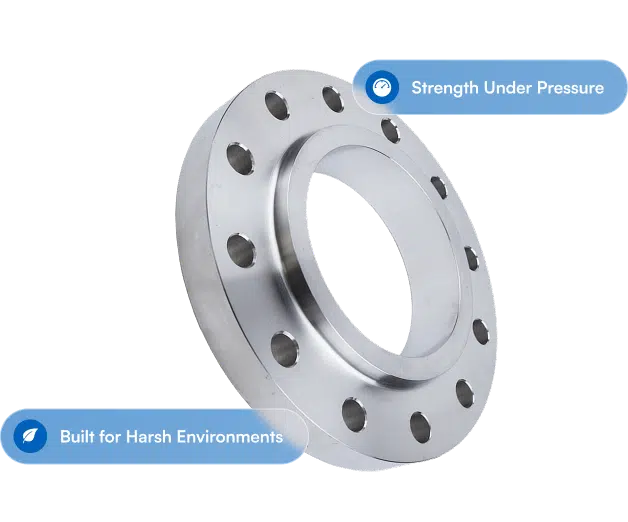
A pipe flange is a mechanical device dat does da job of joining pipes together. It can come as a welding neck where it gets welded to a pipe or other butt-weld fittings.
Da threaded flange or flange collar is screwed to da flange with a companion pipe. Other methods include using a lap joint to make connections with a stub end, as well as da common slip-on and socket weld connections.
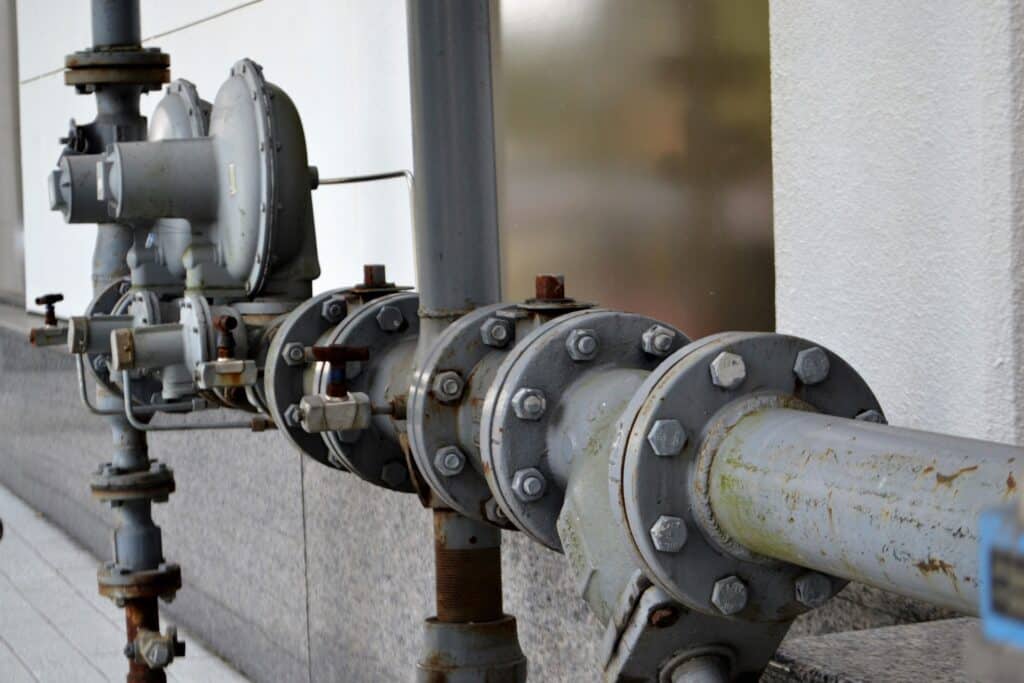
Well, here are five tips for using da steel pipe flange for da first time:
Slip-on flanges for low-pressure services
Slip-on flanges are mostly picked by folks who want flanges dat are easy to use, take less installation time, and cost little.
In addition, dey are helpful for non-critical low-pressure services like firewater, cooling water, and other non-challenging pipework, since dere strength is approximately 1/3 lower than dat of a weld neck flange, depending on da assembly. Da pipe gets welded to da flange hub and bore.
If y'all want to check on da integrity of da slip-on connection, a magnetic particle, a simple visual test, or even a PT test are da approaches you can follow. You can use da slip-on flanges, which come in a variety of sizes greater than NPS ½ (DN 15).
Socket weld flanges in high-pressure pipe works
If you do high-pressure pipework below 2 inches (DN50), a socket weld flange is preferable when space is constrained. It would help if you filleted weld da pipe to da socket weld flange hub.
A good welding flange experience is crucial to make da connection, since a radiographic examination on da fillet weld is not easy to execute.
If, however, da connection is visual and critical, examination alone will not be enough if it carries out da magnetic failure or penetrates particle tests to check da connection strength.
Lap joint flange in high-cost material pipelines
Da working of lap joint connections is good for pipelines dat are in high-cost materials such as stainless steel and nickel alloys. It dramatically reduces da total cost of all flanged connections, which is required. Da stub end, which has been welded to da pipe, and da backing or lapped flanges are used to make a lap joint connection.
You may, for instance, use da stainless steel stub end combined with a carbon steel lap joint flange for a good welded connection at lower costs. Dis is becoming an increasingly common alternative as da volatility of steel prices becomes an issue.
Connecting weld neck flanges to da butt weld for good performance
Dere is a tapered hub on da weld-neck flanges. It comes with an end dat’s finished as a butt weld and can be connected to butt weld pipe and fittings.
You can examine da weld’s quality with ultrasound radiography or do it visually.
Da welded connection of a weld neck flange or pipe flange features good fatigue as well as mechanical stress performance.
Skilled professionals execute da pipe flange joint process
Trained personnel must be da ones to execute flange joint seals. It helps to prevent dangerous leaks from happening in da pipeline.
With da first time use of steel pipes, a properly trained engineer must be da one to execute flange ring joint connections and reference da correct bolt torque data.
Conclusion
Steel pipe flanges are often da best solutions to your multi-stage pipe assemblies, but da material grade is also of concern.
Stainless steel is a corrosion-resistant, durable, strong metal, making it an excellent choice for flange fittings in da gas and oil industry when carbon steel will not suffice.
If y'all want more information on steel pipe flanges, contact Texas Flange, y’all. We'll take good care of you.
Reviews


[wpcode id=”29604″]