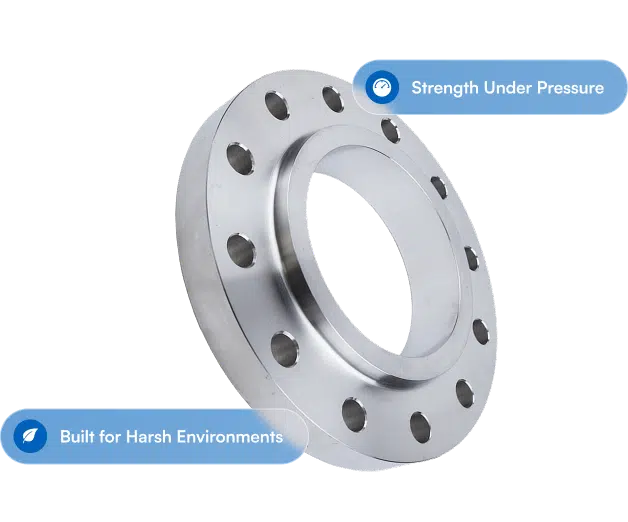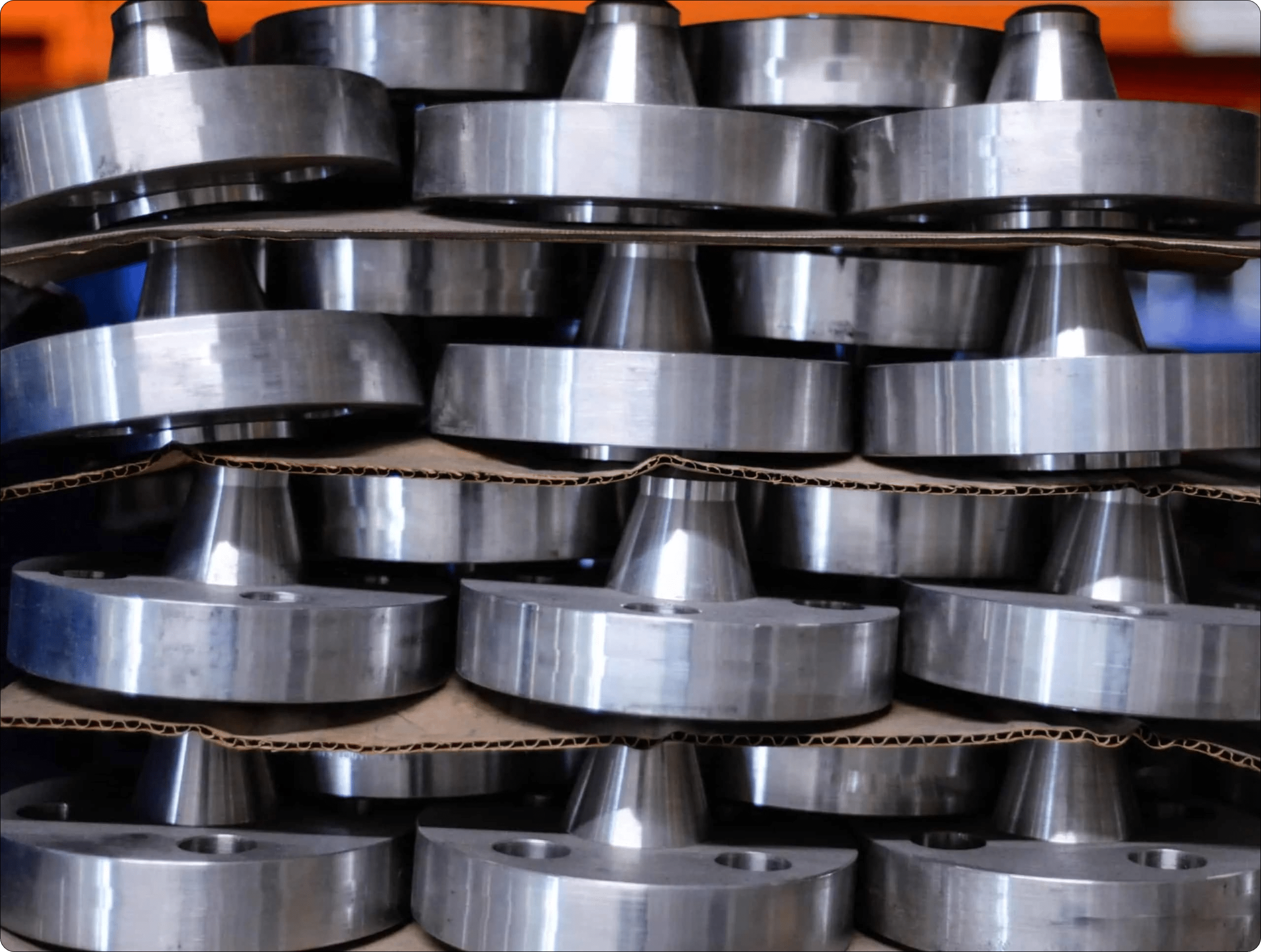
Well now, if you’ve quoted a flange order in the last six months and felt like dat number didn’t match what you remember from 2023, you ain’t imaginin’ things. Three forces are stacked up on top of each other right now: restructured Section 232 tariffs that hit in April, tightenin’ BABA domestic-content thresholds, and post-pandemic raw material swings that ain’t fully settled down yet. Any one of 'em would move pricin’ on its own. All three together done rewrote what a flange costs and how long it takes to get one.
This here is a workin’ buyer’s brief on where things stand as of mid-2026. What changed, what it means for your quote, and what to do about it.
Section 232 Tariffs: The April 2026 Shake-Up
Section 232 tariffs on steel and aluminum been around since 2018, but dat April 2, 2026 proclamation reshaped the whole business three ways dat matter to flange buyers.
The rate went up. The headline rate on covered steel articles is now 50 percent, up from the old 25 percent. Aluminum and most copper sittin’ at the same 50 percent. A reduced 15 percent transitional rate applies to certain metal-intensive industrial equipment through December 31, 2027.
The duty base got bigger. As of April 6, 2026, the tariff hits the full customs value of covered metal articles and derivatives, no matter how much metal is in 'em. The old way of payin’ duty only on the metal value of a finished article is gone. If the article is on the covered list, the whole landed value is in play.
The 15 percent threshold cuts the other way. Products made of 15 percent or less steel, aluminum, or copper by content ain’t subject to Section 232 no more. Anything above that line is in.
For flanges, the answer is plain as day: a flange is steel. It’s way above 15 percent steel content. If it’s imported and on the covered list, it carries dat 50 percent duty on full customs value. I tell you what, dat’s a mighty big change from the old setup.
What This Means for Imported Flange Pricing
Dat 50 percent rate on full customs value stacks up right quick. A flange that landed at $100 before tariffs now lands at $150 before any markup, freight, or carryin’ cost. The gap between domestic and imported pricin’ done narrowed enough that on a lot of standard ANSI sizes, “import to save money” don’t work like it did three years back.
For sizes and materials where domestic mills are competitive, dat ain’t a bad outcome. For sizes domestic mills don’t make in volume (some large-diameter B16.47 sizes, certain exotic alloys, specialty AWWA configurations), buyers are payin’ the tariff or waitin’ longer. Stockin’ distributors who carried inventory through the policy shift been able to shield their customers from spot-price swings. Distributors that buy to order are left hangin’ out there for whatever the duty looks like the day the container clears customs.
BABA and AIS: Domestic Content Tightens Up Again
Build America Buy America (BABA) requirements been rampin’ up in stages. Two milestones matter for current and upcomin’ federal projects, y’all.
Final assembly in the U.S. As of October 1, 2025, manufactured products on federally funded infrastructure projects gotta be assembled in the U.S.
55 percent U.S. component cost. As of October 1, 2026, the cost of U.S.-mined, produced, or manufactured components got to be more than 55 percent of the total cost of all components in the manufactured product. Dat’s a step up from the earlier thresholds and changes how some products get certified.
For flanges and fittings on federally funded water, wastewater, transportation, and infrastructure projects, the practical answer ain’t really changed: domestic-melt, domestic-manufacture material is required, and the paperwork gotta back it up. AIS (American Iron and Steel) requirements on EPA-funded water projects keep rollin’ right alongside. What did change is the documentation chain is under a closer eye now, and some old waivers been or are bein’ rescinded.
If a project spec calls for AIS or BABA compliance, here’s what you ask up front: where was the steel melted, where was the flange forged and finished, and is there paperwork tracin’ the heat number to a domestic mill. If any of dem answers come back vague, the order ain’t compliant, plain and simple.
Raw Material Ups and Downs
Underneath all dat policy, the raw material market itself been jumpin’ around like a cat on a hot tin roof. Forged carbon steel pricin’ follows scrap and billet pricin’, which follows energy costs, trade policy, and global demand. Spot prices been movin’ on the news cycle in ways that didn’t happen before 2024.
What dat means for buyers: a quote good for thirty days ain’t the same animal it was back when scrap was holdin’ steady. Most stockin’ distributors are quotin’ shorter validity windows, and mill-direct quotes more and more carry escalation clauses tied to a steel index.
Dis hits long-lead orders harder than spot-stock orders. A flange you’re buyin’ out of distributor stock today is priced against what that flange cost when it landed. A flange on an eight-week mill order is priced against where the mill reckons billet will be in eight weeks, plus a little cushion.
The Stockin’ Premium Is Real
Two things made stockin’ distributors worth a whole lot more in this here market. First, tariff exposure: a distributor that imported and paid duty on inventory before the April 2026 rate hike is sellin’ out of pre-tariff stock at pre-tariff economics. Second, lead time: when mill orders carry tariff worries, raw material escalation, and longer waits in line, the gap between “in stock today” and “twelve to sixteen weeks from a mill order” done stretched wide open.
For projects that can wait, mill-direct still got its place on long-lead, large-quantity orders. For everything else, repair work, plant turnarounds, pipeline maintenance, anything where downtime costs more than carryin’ cost, buyin’ from stock is a mighty easier call than it was in 2023.
What to Do About It
Three plain-spoken recommendations for anybody specifyin’ or buyin’ flanges right now.
Confirm origin and compliance up front. If the project is federally funded, get the AIS or BABA compliance status into your RFQ language. Don’t go assumin’. The premium for domestic-melt-and-manufacture material is real but you can count on it; the cost of findin’ out a non-compliant flange shipped to a federal project, dat ain’t nothin’ you can plan for.
Ask about the quote validity window. Thirty-day quotes still float around some places on stock material. Mill-direct quotes are gettin’ shorter or tied to escalation. Knowin’ which one you holdin’ changes how you handle your procurement timeline.
Build lead-time cushion into long projects. The mill line for non-stock sizes and materials is longer than it was three years ago. If a project got a fixed start date and a non-standard flange list, put that order in earlier than your 2023 gut tells you to.
Where Texas Flange Stands
We been through all kinds of stock levels with dese policy changes, kept good depth on A105, A350 LF2, F304L, and F316L in standard ANSI classes, and held onto our AWWA C207 and selected API 6A inventory. Domestic-melt-and-manufacture material is even available for AIS and BABA projects across the sizes dat move most often on dem projects.
For non-standard sizes, exotic materials, and large-diameter B16.47 work, lead times depend on what the mill line looks like the week we place the order. We’ll give you a real number, not a hopeful one.
If you got a project comin’ up and want a read on the right buyin’ strategy, stock vs. mill, domestic vs. import, quote-now vs. quote-later, send us the spec list and we’ll shoot you an honest answer.
📞 Holler at our team today for expert guidance on your next flange order.
Last updated: May 2026. Tariff rates, BABA thresholds, and material pricin’ change. Verify current values before committin’ on a long-cycle project.
Related readin’: For the bigger picture on flange types, materials, and applications across the piping family, take a look at our complete guide to pipe flanges.