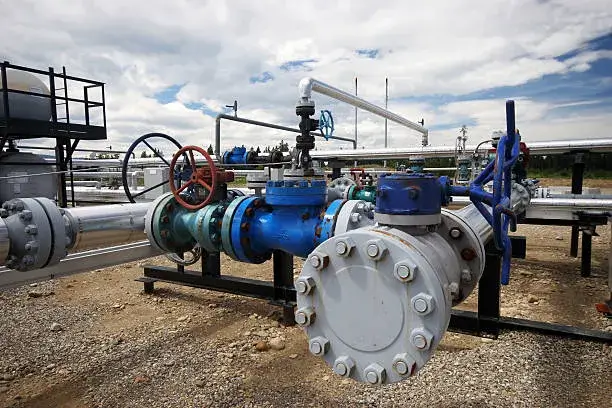
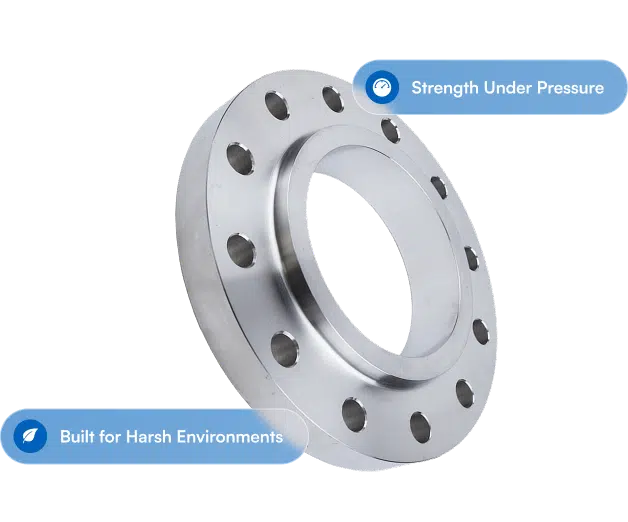
I tell you what, flanges play a mighty critical role in connectin' up piping systems, valves, and equipment across all sorts of industries, from oil and gas down to petrochemicals and water treatment. Pickin' between forged vs cast flanges is a big ol' decision that directly impacts your performance, cost, and how long the whole thing's gonna last.
What in the World Are Forged Flanges?
Now, forged flanges are made by shapin' metal under some serious high pressure usin' forging methods, which gives 'em a refined grain structure that boosts up their strength and reliability real good. Dese flanges are often machined right after forging so they meet them strict dimensional tolerances.
Advantages of forged flanges include:
- Mighty fine tensile strength
- Excellent performance when you're runnin' high pressure and temperature
- Better resistance to fatigue and rustin' up (corrosion)
Because of all dat, folks use forged flanges in the most demandin' jobs, includin' ANSI Flanges that meet them rigorous American standards.
What Are Cast Flanges?
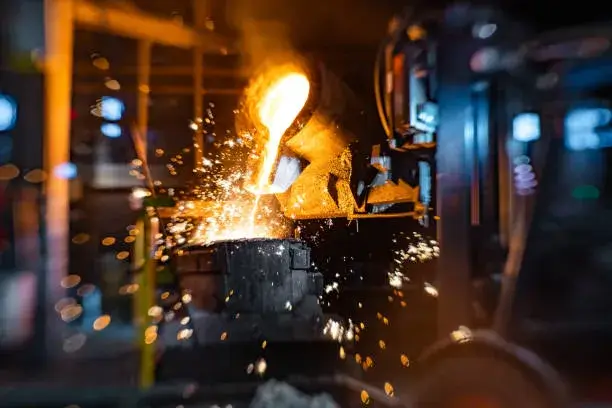
Cast flanges are made by pourin' hot molten metal right into a mold, lettin' it cool and harden into whatever shape you're needin'. This here method is mighty efficient and just perfect for knockin' out complex shapes in big ol' batches.
Benefits of cast flanges include:
- Lower cost to make 'em
- A whole lot more flexibility in your design
- Quicker lead times to get 'em in your hands
Y'all mostly see cast flanges used in jobs that just got moderate pressure.
Main Differences Between Forged and Cast Flanges
Material Quality
When you're lookin' at forged vs cast flanges, them forged flanges usually give you a much better material quality 'cause of the controlled grain flow you get while forging. Now on the other hand, cast flanges might have little internal voids or inclusions that can mess with their structural integrity, I tell you what.
Durability
Forged flanges got a whole lot more durability, 'specially when you're workin' in extreme environments down on the bayou or offshore. Their machining precision and material consistency make 'em a much better fit for them high-performance jobs.
Cost
Cast flanges are generally cheaper to make, 'specially if you're needin' a whole heap of 'em. But I reckon forged flanges often give you better long-term value since they last longer and don't need as much fixin' up.
Applications
Knowin' exactly where to use forged vs cast flanges is mighty essential:
- Use them forged flanges in high-pressure systems, pipelines, and critical infrastructure.
- Go with cast flanges for low- to moderate-pressure jobs, or when you're watchin' your pennies and where ASME/ANSI standards ain't applicable.
When to Pick Forged Flanges
Industries like oil & gas, chemical processing, and power generation usually favor forged flanges 'cause they can stand up to some mighty harsh conditions. Dese flanges meet high standards like ANSI Flanges, makin' 'em just perfect for mission-critical systems.
When to Pick Cast Flanges
Cast flanges are right nice for jobs where keepin' costs down and gettin' a big volume matter more than havin' maximum strength.
Which One's Right for What You Need?
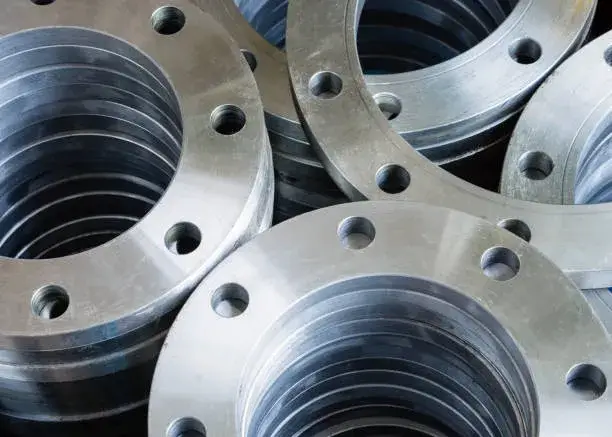
Pickin' between forged vs cast flanges all depends on what your specific job needs. If strength, durability, and long-term performance are what you're after, forged is likely your best bet. Now, for them non-critical, budget-friendly setups, cast flanges might just be the ticket.
Need a little help decidin' between forged vs cast flanges? Come on down and visit Texas Flange to explore a full range of flange types. Y'all can also check our flange dimensions and weights or browse through our custom flange solutions tailored right to your specs. Holler at our team for some expert guidance on your next project.