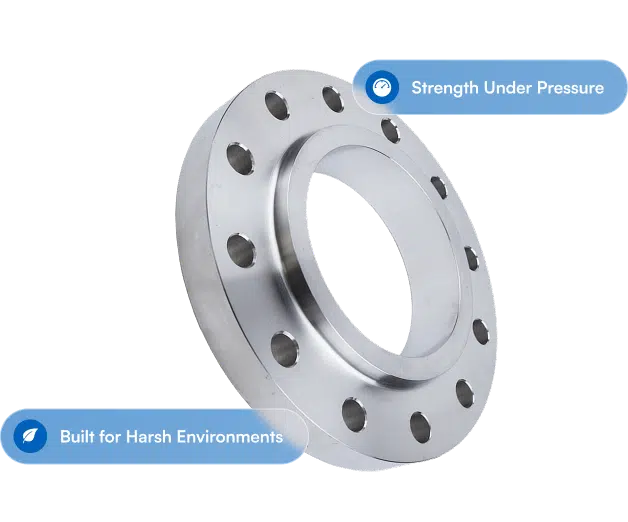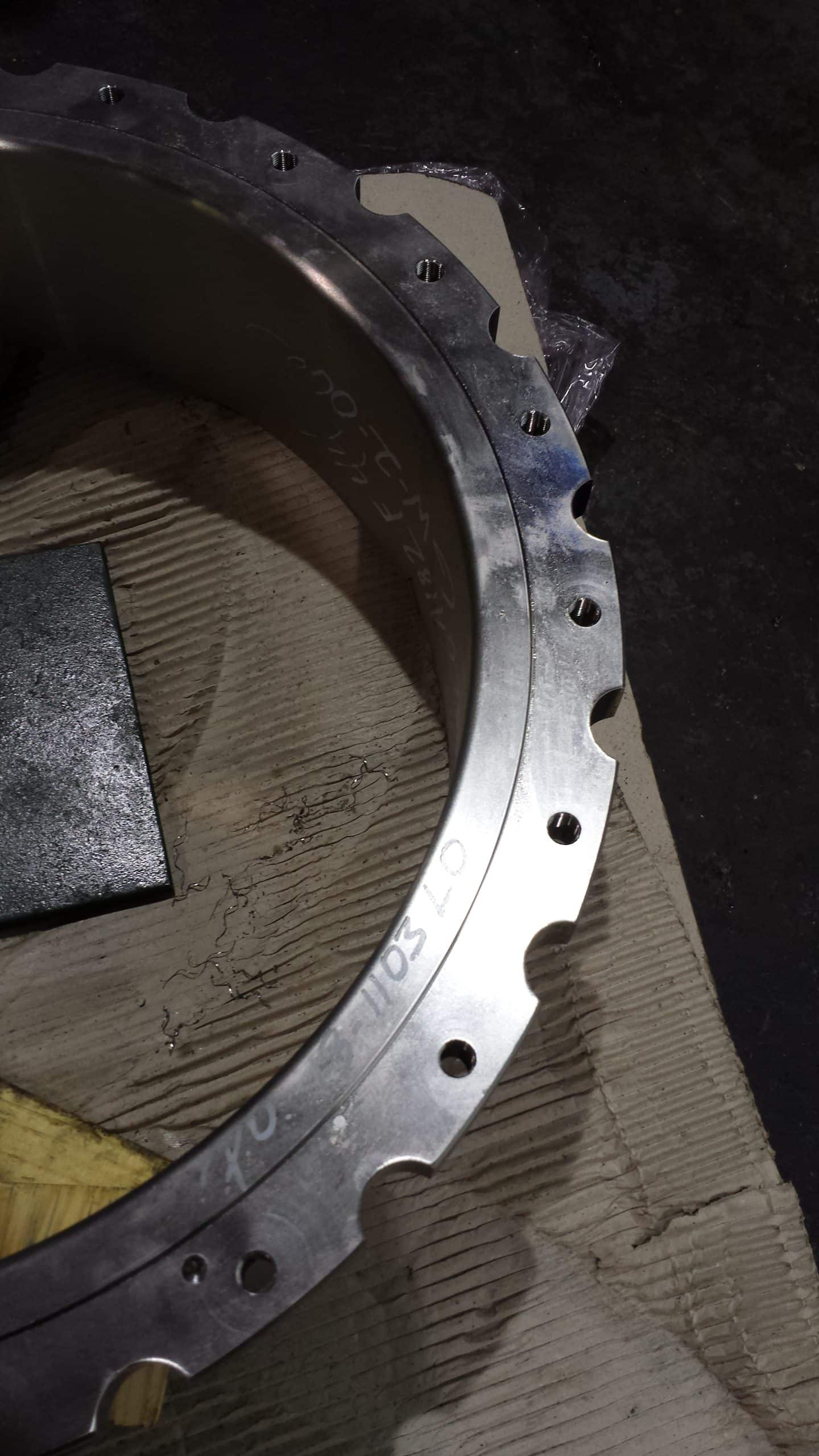
When we talk about “critical infrastructure” with regards to steel assemblies, we ain't just talkin' about some abstract idea or government blueprints, no sir. We're talkin' about the water systems that keep a city runnin', the oil and gas pipelines that power our homes, and the chemical plants that make the essential materials. Right at the heart of every one of dem systems, literally holdin' the pressure together, are pipe flanges.
If y'all are in procurement or site management, you know a flange ain't just a hunk of metal with some holes in it; it's a critical safety component. When a system's under thousands of pounds of pressure, the industrial flanges y'all chose are the only things standin' between a good productive day and a catastrophic failure. In this here guide, we're fixin' to look at why quality for flanges and fittings is the non-negotiable factor in infrastructure and how that affects your next order.

The Integrity of the Connection
Now in critical infrastructure, the “connection” is often the most vulnerable spot in the whole system. Unlike a continuous run of pipe, flanges make a mechanical joint that's got to stay leak-proof through changin' temperatures, vibrations, and immense internal force. That connection can include calculations for a weld, a thread, and a joint gasket, and all of dem factors are why the precision of the manufacturin' process is so dang vital.
When we put quality first, we're really buyin' peace of mind about joint integrity. High-quality pipe flanges make sure the matin' surfaces are perfectly flat and the bolt holes line up just right. Out in the field, a millimeter of deviation might not seem like much till y'all try to torque a bolt and find out the flange is warpin', leadin' to a “weepin'” leak that eventually turns into a full-scale blowout. Dem leaks ain't just messy; in a high-pressure environment, they can be lethal. A quality connection means the gasket gets squeezed evenly across the whole surface, makin' a seal that can stand up to time and the elements, and that helps look out for inspector safety too.
Lifecycle vs. Line Item Cost
It's easy to look at a quote and see industrial flanges as just a line item where the lowest price wins. But in critical infrastructure, I tell you what, the real cost ain't the purchase price, it's the cost of failure.
Think about the labor it takes to replace one faulty flange in a mid-stream pipeline: the shutdown, the purgin' of the lines, the crew's hourly rate, and the lost revenue while y'all are down. By choosin' quality up-front, you're investin' in the “lifecycle” of the project, and spendin' a few more minutes now to dodge untold headaches down the road. Quality flanges per ASME and ANSI code are built to stand up to corrosion and fatigue for decades, not just till the next inspection cycle.
Furthermore, high-quality manufacturin' cuts down on “re-work” durin' installation. If a flange shows up on-site with a face that ain't true or bolt holes that are off-center, your timeline is blown right quick. The time y'all spend sendin' a part back and waitin' on a replacement far outweighs the few dollars saved by pickin' a “budget” supplier. In the industrial world, time is money, and quality is the best way to save both, yessir.
Technical Deep Dive: Standards, Specs, and Materials
To make sure dese connections don’t fail, the industry leans on a strict set of “rules.” Dey ain't just suggestions; dey're rigorous engineering requirements that keep things compatible and safe across different systems and manufacturers. When y'all are orderin' for a major project, you'll likely be lookin' at these specific standards:
Key Regulatory Standards
- ASME B16.5: This here's the “bible” for pipe flanges from NPS 1/2 through NPS 24. It covers pressure-temperature ratings, materials, dimensions, tolerances, marking, and testing.
- ASME B16.47: This standard covers the larger diameter flanges (NPS 26 through NPS 60), which are common in heavy industrial infrastructure, and it comes from the design philosophy of the ASME/ANSI B16.5 specification.
- ASTM A105: The standard specification for carbon steel forgin' for piping applications, often used to weld to A106 grade pipe.
- ASTM A182: If y'all are dealin' with high temperatures or corrosive environments, this covers the forged stainless steel and chrome alloy flanges you'll be needin'.
Understanding Pressure Classes
Flanges get sorted by their pressure-temperature ratings, typically goin' from Class 150 to Class 2500. Lots of folks get this wrong and think “Class 150” means the flange can only handle 150 psi. Truth is, the pressure it can handle depends on the material and the operatin' temperature. For example, a Class 150 carbon steel flange can handle a whole lot more pressure at room temperature than it can at 800°F. Reckon of the pressure “class” as the standardized label for a set of bolt patterns and base thickness options, and not the actual pressure-temperature rating. Look in B16.5 for that calculation data.
Material Verification (The MTR)
Quality control means more than just havin' a stamp on the side of the metal. It means havin' the Mill Test Reports (MTRs) to prove the chemical composition and physical properties of that steel actually meet these ASTM and ASME requirements. At Texas Flange, we give y'all the documentation that proves your industrial flanges are exactly what we say they are. In critical infrastructure, “trust but verify” is the motto y'all live by, y’all.
Making the Right Selection
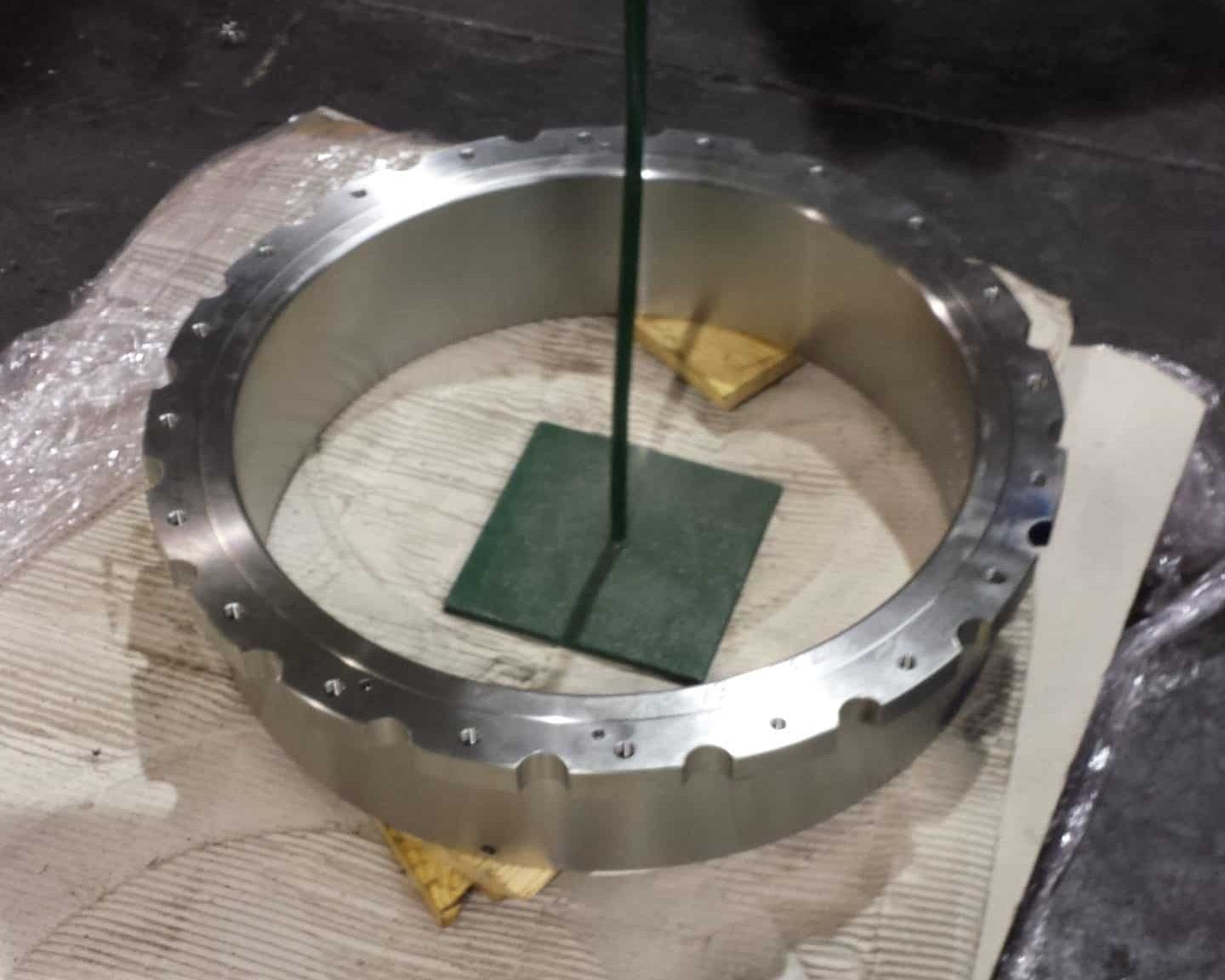
Understandin' the critical nature of your infrastructure project directly affects which pipe flanges y'all ought to pick. At Texas Flange, we see how the application drives the engineerin' every single day. Pickin' the wrong style can be just as dangerous as pickin' a low-quality material.
Weld Neck Flanges
These here are the gold standard for critical infrastructure. That long, tapered hub gives a gradual transition of thickness to the pipe, which helps handle high pressure and extreme temperature swings. 'Cause the weld is a full-penetration V-weld, the joint is as strong as the pipe itself.
Slip-On Flanges
They're great for lower-pressure work and easier to line up, but dey don’t got the same fatigue strength as a Weld Neck. Dey get slipped over the pipe and then welded both inside and out. If your infrastructure's subject to heavy vibration or a lot of thermal cyclin', y'all might want to think twice on a Slip-On and go with a sturdier connection.
Blind Flanges
Often used for sealin' the ends of pressure vessels or piping systems, or for makin' access points for future expansion. 'Cause dese take the full force of the internal pressure, actin' like a piston head, the thickness and material grade are paramount so the “disk” don't bow or fail under load.
Lap Joint Flanges
Dese get used along with a “Stub End.” Dey're ideal for systems that need takin' apart often for inspection or cleanin', 'cause the flange itself turns free around the pipe, makin' bolt hole alignment a breeze. Still, they ain't suited for extremely high-pressure environments.
Knowin' your project’s specific stressors, like whether the line will carry corrosive chemicals, see seismic shifts, or go through massive thermal expansion, is crucial before y'all place an order.
Common Mistakes in Infrastructure Procurement
Even the most seasoned hands can run into trouble, I reckon. Here are the most common pitfalls we see with flanges in major projects:
- Ignoring Face Finish: Folks often focus on the material but forget the flange face. A smooth face vs. a serrated face takes different gasket types to get a seal. Usin' a soft gasket on a smooth face in a high-pressure system can get that gasket “blown out.”
- Mismatched Schedules: This here's a big one. Orderin' a Weld Neck flange with a bore that don't match the pipe’s schedule (e.g., Sch 40 vs Sch 80). That makes a “lip” inside the pipe that causes turbulence, vibration, and faster erosion.
- Bolting Errors: Usin' the wrong grade of studs or nuts. A high-pressure flange is only as strong as the bolts holdin' it together. Always make sure your hardware matches the pressure rating of your flanges.
- Tracing the Paperwork Too Late: In critical infrastructure, if y'all don’t have the MTRs, you don't have a useable flange. Waitin' till the parts are fixin' to be installed at the job site to ask for documentation can mean massive delays and rejected inspections, so make sure to ask for it to be emailed to you.
The Backbone of Industry
At the end of the day, pipe flanges are the quiet workhorses of our modern world. Dey're the joints that hold our infrastructure together. Puttin' quality ahead of a few saved cents means our water stays in the pipes, our power stays on, and our job sites stay safe.
By stickin' to established ASME and ASTM standards, verifyin' your materials with MTRs, and pickin' the right flange type for the job, y'all ain't just buyin' hardware, you're makin' sure the project lasts and stays safe. Whether y'all are buildin' a new desalination plant or keepin' up a regional gas grid, the quality of your connections is the legacy you leave behind, I tell you what.
Need a Quote for Your Next Project?
Navigatin' complex specs like pressure classes, material grades, and custom dimensions can be a real headache. Whether y'all need standard industrial flanges or custom-forged components, we're here to help y'all get it right the first time. We’ve even built tools like our Ring/Disc Weight Calculator to help y'all get the technical data you need fast.
Holler at Texas Flange Today for a Quote
Our crew can help y'all work through the technical specs so your project stays on schedule, within budget, and most important – under pressure. Reach out today!