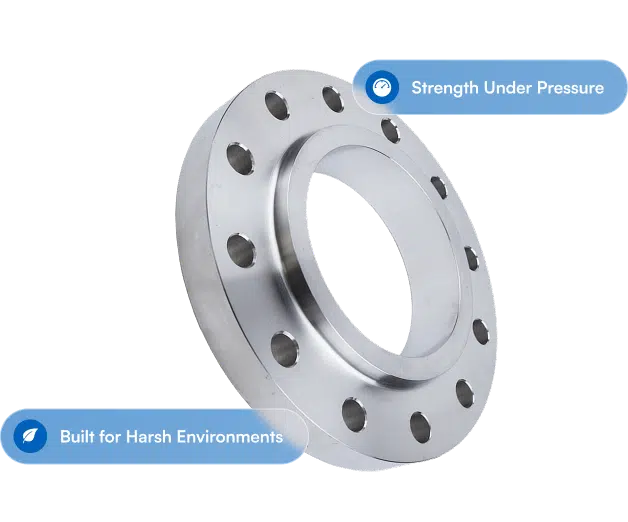
Piping systems play a mighty big part in infrastructure all over the world, and they been around for decades. Puttin' in a piping system ain't no easy job. If parts like flanges ain't picked right and don't have the right flange connection, corrosion and leaks can happen. And when dey do, the assembly can break down and make one awful mess, I tell you what.
Here's a few things that cause corrosion, and how y'all can steer clear of 'em.
Bolt Stress
A whole lot o' things can put stress on dem bolts. Vibrations durin' normal operatin' conditions tend to get the bolts movin', and that leads to corrosion and leakage.
Even though the vibrations come from just normal operations, y'all can still dodge some of it. Tightenin' the bolts looks like the easy fix, but you gotta think on how often you need to check 'em.
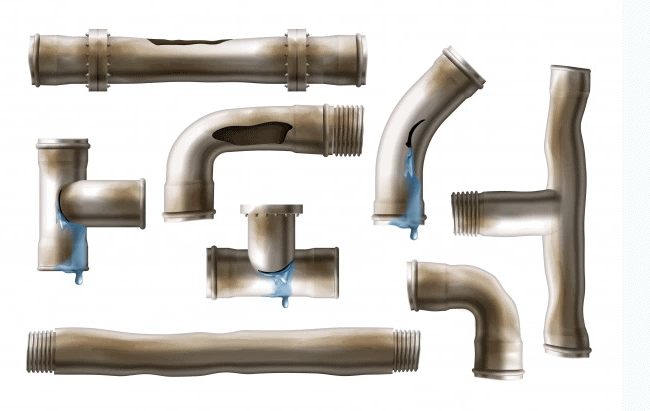
Temperature plays a part too in how well bolts hold and whether they keep the leaks out. When the temperature swings up, it makes bolts come loose and not seal right. Keepin' dem temperature swings down when you can is the best way to go.
With the usual operatin' procedures in high-stress places, y'all can expect to be tightenin' and checkin' bolts 'cause of temperature swings. But if you tightened and checked 'em and the trouble ain't gone away, reckon you might be dealin' with somethin' else besides normal wear and tear.
Thermal Stress
The temperature of the product (inside a tube heat exchanger and shell, for example) can change up. Still, the distortion from a quick change from cool to hot solutions can't be helped in a few cases.
If dat's your case, it's mighty important to make sure ever' part o' the exchanger is built to handle temperature distortion. Engineers pick their alloys real careful for just dat reason.
If y'all want to figure out what you need, you gotta give special thought to the flange dimensions. Next, find the temperature of a high load area inside the tube and a random spot on the shell side.
Then work out the difference between the tube side outlet and inlet, and the difference between that random spot on the tube side and the shell side.
Other Stresses
Plenty o' things can put stress on the bolts of flange connections, but one in particular is the stress on both sides o' the flange assembly point.
When one side gets tightened more than the other, the gasket gets damaged and then she leaks. It can happen from sorry bolting procedures when you first put it in.
Sometimes dem pipes get put together in tight little spaces, makin' it hard to reach certain bolts to tighten 'em. That can leave some bolts good and snug while the others ain't near as tight.
Ever' bolt needs the same amount o' pressure. That helps hold the gasket secure in place against corrosion and leakage.
Imperfections
Imperfections ain't always easy to spot. Sometimes a warped surface leads to a bad installation. If the flange face is warped or got other deformities, you're liable to get a poor seal. It might not stop the flow right off, but it can cause corrosion and leaks.
Just like other pipe fittings, flanges need to be free from defects to work right. Some defects are easier to see than others. A welded face can be harder to catch and it's easy to overlook. Re-machinin' the flange face is a common fix in dem cases.
When You Need Extra Hardware
Here's a problem that keeps comin' back in a tube and shell heat exchanger: the bolts gotta stay secure, even after all the tightenin' with the proven techniques. Even after hydraulic tensioning and hot torquing, dem bolts would loosen up and cause a troublesome leak in the plant.
Researchers found two problems: gasket scuffing and too much bolt load. The extra bolt load comes from temperature differentials. If y'all want to fight dat, put in disc spring washers before you replace the bolts. They found dem washers handled the bolt load a whole lot better without lettin' the flange deform, in most cases.
The second problem, gasket scuffing, was likely from movement while runnin', and it tore up the gasket enough that even with the bolts good and tight, she'd keep on leakin'.
That gasket needs replacin', but you gotta fix the real problem too so the new gasket don't go bad the same way. To dodge dat, a weld ring is two separate halves of the gasket ring welded together to hold the gasket material in and keep it from deformin'.
Wrappin' It Up
If y'all are seein' gasket leaks in your tube and shell heat exchangers, it could mean somethin's off in your equipment. The folks at Texas Flange are tickled to help point you the right way and recommend the right sourcing for your assembly hardware, along with the regular flange and fitting products we make for our customers ever' day.