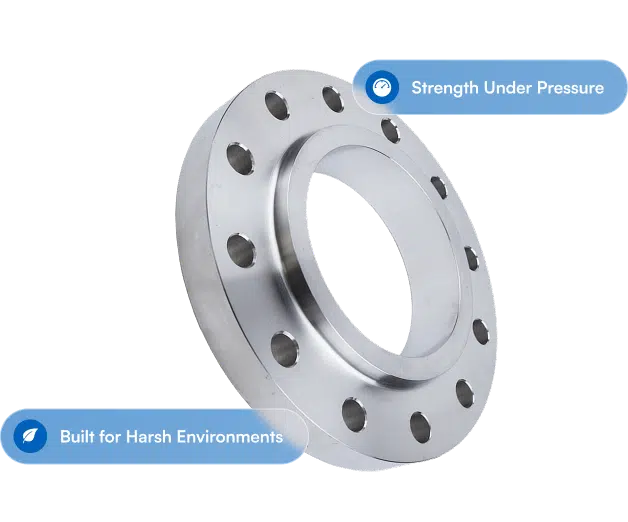
In high-pressure piping systems, safety and operational control come first, y’all. One of the most important parts of dat control is pipe isolation, which helps make sure sections of a pipeline can be shut down safe for maintenance, inspection, or emergency situations. Two components often used for dis purpose are the blind flange and the spectacle blind. Knowin’ the key differences between 'em is mighty important for engineers and maintenance planners in industrial settings.
This article goes through the differences and best-use scenarios between Blind Flange vs Spectacle Blind, so you can figure out the right pick for your job.
What Is a Blind Flange?
A Blind Flange is a solid, round plate dat gets bolted to the end of a piping system to stop the fluid from flowin’. It’s basically a cap, and you use it when the pipe don’t need to connect to nothin’ else.</>
- Materials: Commonly made from carbon steel, stainless steel, and other tough alloys dat can take high pressure and temperature.
- Use Cases: Mighty fine for temporary or permanent shutdowns. Engineers put in blind flanges durin’ pressure testin’ or to isolate pipe segments.
- Installation: Since it ain’t got no opening, you bolt it right into place. You can take it off later if you need to extend the system.
- Advantages: A blind flange is cost-effective, easy to make, and gives you a simple way to close up the system.

What Is a Spectacle Blind?
A Spectacle Blind is two discs hooked together by a flat bar, lookin’ just like a pair of eyeglasses. One disc is solid (for blockin’), and the other is open like a ring (for lettin’ flow through).
- Functionality: You turn the thing so either the blind side or the open side lines up with the pipe, makin’ it easy to switch between isolation and operation.
- Application: Common in refineries, chemical plants, and other high-risk places where they’re inspectin’ or doin’ maintenance all the time.
- Advantages: With no need to pull bolts or hardware, spectacle blinds give you safer and faster isolation. They also show you right quick whether the line is open or closed.
Key Differences Between Blind Flange and Spectacle Blind
The big difference between blind flange vs spectacle blind comes down to how they work:
- Blind flanges gotta be completely removed to get the line runnin’ again.
- Spectacle blinds just get turned around into position.
On top of dat, spectacle blinds let you see for yourself what’s goin’ on, which is a real safety plus in critical places. But they usually cost more and weigh more, and they need extra room and support when you install 'em.
When Should You Use a Blind Flange?
A blind flange is usually the pick when:
- The pipeline don’t need isolatin’ very often.
- The system is low to medium in criticality.
- Budget is a worry.
- You’re dealin’ with end-of-line closures or temporary shutdowns.
In dem cases, blind flanges give you a dependable, cost-effective answer.
When Is a Spectacle Blind the Better Option?
You oughta consider a spectacle blind when:
- The system gets inspected or tested a lot.
- You need a visual sign of what the pipe is doin’.
- The operation means switchin’ over or drainin’ all the time.
- You’re workin’ in hazardous places like offshore platforms, LNG facilities, or chemical plants.
Knowin’ when to use a spectacle blind can make your system a whole lot safer and your maintenance a whole lot smoother.
Advantages and Disadvantages
Blind Flange:
- Pros:
- Easy to make and install.
- Easy to come by.
- Won’t break the bank.
- Cons:
- Gotta unbolt the whole thing to get into the system.
- No way to see with your own eyes what the line is doin’.
Spectacle Blind:
- Pros:
- Shows you plain as day whether it’s open or closed.
- No need to pull bolts to operate it.
- Mighty good for systems needin’ flange isolation vs closure flexibility.
- Cons:
- Costs more and weighs more.
- Needs extra room to swing around.
Industry Applications
Blind flanges get used all over in:
- Water treatment systems.
- Oil & gas pipelines.
- HVAC and fire protection systems.
Spectacle blinds are the favorite in:
- Petrochemical plants.
- Offshore drilling platforms.
- LNG facilities and high-pressure steam systems.
Bein’ so easy to operate and safe to use makes Spectacle Blinds just right for jobs where pipe isolation methods gotta be fast and secure.
Conclusion
When you’re weighin’ Blind Flange vs Spectacle Blind, the right pick depends on what your system needs:
- Go with a blind flange for simplicity, lower cost, and when you rarely gotta reopen the line.
- Reach for a spectacle blind when frequent access, visual safety, and quick operation are critical.
Each one got its place, dependin’ on how often you isolate, how critical the system is, and how much room you got. Understandin’ the difference between blind flange and spectacle blind makes sure you put in the most effective and safest option.
If you’re lookin’ for expert advice on pickin’ the right isolation components, Texas Flange is right here to help. We got a full range of custom blind flanges and spectacle blinds, built to meet the highest standards in the oil and gas, petrochemical, and waterworks industries. For the details on sizes, dimensions, and weights, have a look at our resource pages, includin’ Flange Dimensions & Weights.
Whether your project calls for standard or custom flanges, our folks can walk you through pickin’ the right one. Take a look at what we got in Oil & Gas Flanges, Petrochemical Flanges, and Waterworks Flanges, and see why Texas Flange is the partner folks trust for flange solutions.