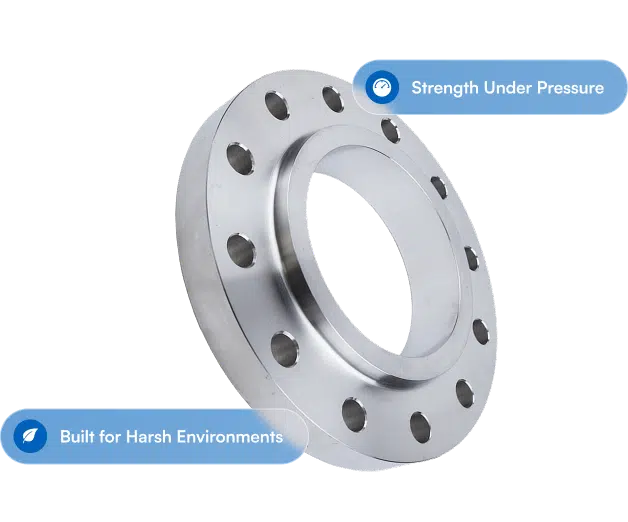
Down in the industrial machinery and pipelines, there's a mighty important piece that mostly goes unnoticed but keeps all kinds of systems holdin’ together. It’s ANSI flanges.
Dem plain ol' round plates with holes might not catch your eye at first, but they're essential for keepin' things runnin' smooth in all kinds of applications.
From stoppin' leaks to hookin' up tangled networks, ANSI flanges are the hidden gems of the engineerin' world. If y'all ain't familiar with the ANSI flange and what it's used for, keep on readin' this blog. We laid out everything a body ought to know about ANSI Flanges.
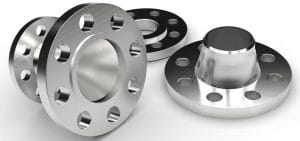
What Are ANSI Flanges?
Picture yourself buildin' a big ol' plumbing system or a whole network of pipes for haulin' fluids or gases. Now think about the spots where dem pipes gotta connect or change direction. That's where ANSI flanges come into play. They join two pieces of pipe or equipment together. The design of the ANSI flange gives you a secure, sturdy connection and lets you get in there easy for maintenance.
ANSI flanges are standardized connectors that stick to specific dimensions and design principles laid out by the American National Standards Institute (ANSI).
Anatomy of an ANSI Flange
ANSI flanges come in a whole mess of sizes and styles, dependin' on the job they're needed for. To understand how ANSI flanges work, you gotta know their anatomy first.
An ANSI flange is made up of several essential parts:
- Flange Face: That's the flat surface of the flange that touches the flange it's connectin' to. It gives you a steady, even surface for the connection.
- Bore: The hole in the middle of the flange is called the bore. That's where the fluid or gas runs through, so it's gotta line up just right with the openin's of the pipes.
- Bolt Holes: Dese are the holes all around the bore. Bolts go through dem holes to hold the flanges together, makin' a tight and reliable connection.
- Raised Face (RF) or Flat Face (FF): Dependin' on the kind of connection you need, ANSI flanges can have a raised face, which helps make a better seal, or a flat face for jobs where the seal ain't as critical.
- Gasket: A gasket is a squishy material that sits between the flange faces to make sure you get a tight seal. It keeps fluids or gases from leakin' out at the connection.
- Bolts and Nuts: Bolts hold the flanges together, and the nuts get tightened down on the bolts to give you the clampin' force you need.
The Working Principle of ANSI Flanges
You might be wonderin' how dese simple parts work together. The idea behind ANSI flanges is that they make a secure, leak-free connection while still puttin' up with movement, expansion, and contraction from temperature changes or other things.
When you're connectin' two pipes, you bring their ANSI flanges together with a gasket in between. Then the bolts get run through the bolt holes and snugged up with nuts. As you tighten dem nuts, the flange faces press against the gasket and squeeze it down.
That squeeze makes a seal that keeps fluids or gases from gettin' out of the joint. But what makes ANSI flanges truly remarkable, I tell you what, is how adaptable they are.
The bolts' flexibility and the gasket's squishiness let the pipes move and misalign a little without trouble.
That's mighty important when pipes might shift from temperature changes or vibrations. The ANSI flange system can soak up dem movements without hurtin' the integrity of the connection.
Applications of ANSI Flanges
Here's the various industries where ANSI Flanges come in handy:
Oil and Gas Industry:
In this industry, pipes haul dangerous liquids from one place to another. Ain't nobody can afford to risk a leak, 'cause it can cause an environmental disaster. ANSI flanges stop leakage and give you a secure, reliable connection.
Chemical Processing:
The chemical industry counts on ANSI flanges to keep pipelines holdin' together when they're carryin' corrosive substances. The adaptability of ANSI flanges handles the expansion and contraction of materials exposed to all kinds of chemical reactions.
Power Generation:
Power plants use ANSI flanges in piping systems haulin' steam or high-pressure fluids, yessir.
Water Treatment:
Water treatment plants use ANSI flanges to connect pipes carryin' treated water, chemicals, or wastewater. ANSI flanges give you strong connections and keep the liquid flowin' smooth.
Construction and Infrastructure:
From HVAC systems in buildin's to city water supply networks, ANSI flanges are the go-to for connectin' pipes secure and keepin' leaks from happenin'.
Shipbuilding:
Ships count on ANSI flanges for their plumbin' systems, which gotta stand up to the rough marine environment and the constant motion of the vessel.
How to Choose the Right Size & Type of ANSI Flange For Your Project?
Pickin' the right size of ANSI flanges ain't easy. You gotta keep their installation and performance in mind. Also, here's some other important points that can help you choose the right size
- First, figure out the pipe size by measurin' the outside diameter of the pipe. That'll help you pick the right size of ANSI flange.
- Check the pressure rating on your project and then look for an ANSI flange with the same pressure rating. Pressure rating means how much pressure an ANSI flange can stand. Usually, ANSI flanges come in 150 to 2500 pressure ratings.
- Pick from a variety of materials for ANSI flanges. You can get 'em in carbon steel, stainless steel, and alloy steel.
- Pick a facing type that fits what your project's doin'. ANSI flanges generally come in raised face (RF), flat face (FF), and ring-type joint (RTJ).
- Pick the flange type that suits what your project needs. There's several types of ANSI flanges to choose from, such as slip-on, weld neck, threaded, blind, and lap joint.
- Always check the ANSI flange dimensions to make sure it'll work with your pipe and fittings. You can measure the flange, the bolt circle, and the bolt hole diameter.
Conclusion
Even though they don't get the spotlight, ANSI flanges are plumb essential parts in the big ol' web of industrial systems. When your pipe fittin' needs precision, ANSI flanges are the critical piece that connects it up right.
It's how adaptable they are that gives ANSI flanges their charm. So next time you come across dem plain ol' round plates, you'll know there's a whole lot more than meets the eye behind that humble look.