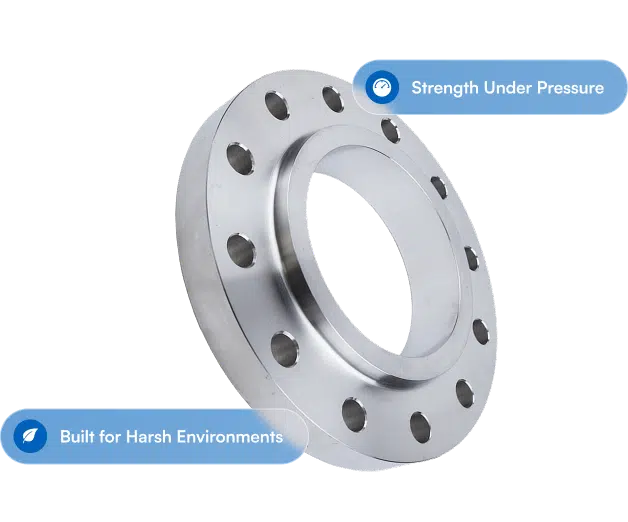
Carbon Steel Flanges
The most common material grade folks use today is A105 forged carbon steel, with sizes rangin' from 1/2″ – 24″ in ASME B16.5, 26″ – 60″ in ASME B16.47, and 26″ – 96″ in B16.1 (for temperatures runnin' from ambient clear up to 1,000 Fahrenheit and pressure between 20 – 6,170 psi). Dat wide temperature and pressure range makes carbon steel flanges a mighty fine solution for all sorts of industrial applications, and they done proven to be one of the least expensive pricin' options out there.
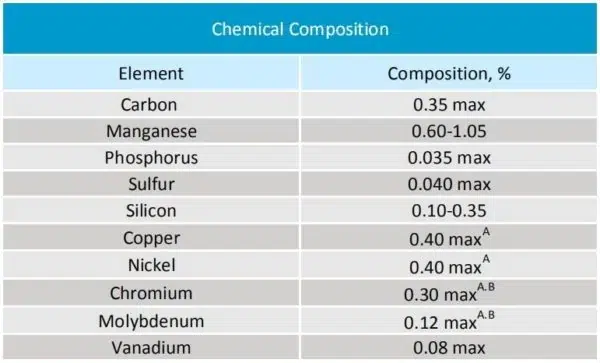
Modern carbon is a common steel with carbon content up to 2.1% by weight and primarily alloyed with iron. Dat term “carbon steel” might also be used to call out steel which don't have a large amount of chromium or nickel. The carbon content can vary for A105 with a maximum allowable of 0.35 as a percentage composition. As the carbon content increases, the steel hardens and increases in strength through heat treatment processes. A whole lot of common treatment techniques in the industry are quenchin', temperin', and normalizin'. As carbon steel is treated, it becomes less ductile and brittle. This makes it slightly more difficult to shape and weld, however the trade-off in field service is often considered worth the extra effort to form them necessary weld seals, I tell you what.
For trace elements, ain't no alloy element (minimum content) required, 'specially when we're talkin' 'bout molybdenum, nickel, chromium, titanium, and vanadium.
For more detail, the chemical composition of A105 carbon steel pipe flanges is as follows
Other Carbon Steel Flanges
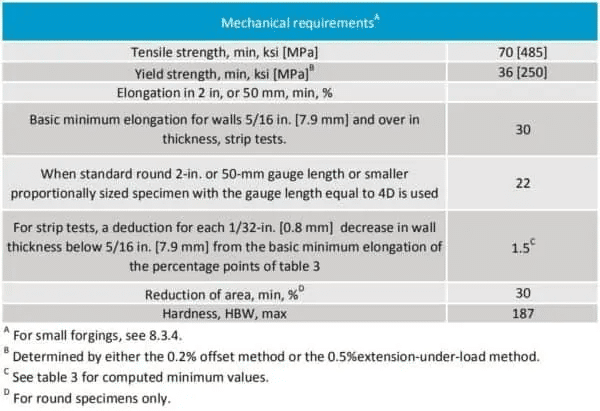
Mechanical requirements are as follows. Please note the tensile and yield strength requirements are minimums which can be surpassed as desired.
We also offer variants of them carbon steel flanges that folks would traditionally make in ASTM A105.
Options made from plate include A515-70, A516-70, and both in the normalized condition. These are typically used to make line blank style flanges per ASME B16.48. In addition, we got A36 plate and A285 Grade C plate when the superior overall properties of 515/516 are less of a concern. Y'all will often find A36 plate steel used for smaller waterworks type flanges, as well as custom ring and disc flanges made for one-off applications.
If your application is callin' for low temperature service, you might wanna consider them A350 LF2 forged carbon flanges (with Charpy V-Notch Impact Tests at -50°F) or dat superior LF3 (CVNs at -150°F). These here are mighty similar to A105 in most ways, but they're rated for colder ambient utilization, yessir.
Tellin' Forged Steel Flanges Apart from Cast Iron Flanges
Manufacturin' Costs: Dat forgin' process tends to be more costly than cast iron, I reckon.
Complex Profiles: Cast iron can be molded to accommodate intricate and complex shapes.
Uniformity: Forgin' gives y'all flanges that are a whole lot less likely to have irregularities or deformities.
Application: Dem cast iron flanges are mostly used for non-pressure pipelines, while forged steel flanges are what y'all want for dem high-pressure pipelines, I reckon.
Precision: High-precision cast iron flanges are made usin' centrifugal machines, beatin' out dem standard cast flanges by a mile.
Cut and Strength: Dem forged steel flanges are a whole lot easier to cut and they hold a mighty high tensile strength.
Performance: Overall, dat forged steel beats out cast iron flanges 'cause of its superior shape and lower carbon content, which keeps it from rustin' up so easy.
Products
Texas Flange stocks a wide variety of flanges in all sizes and specifications, yessir.
ANSI Flanges
ASME Flanges
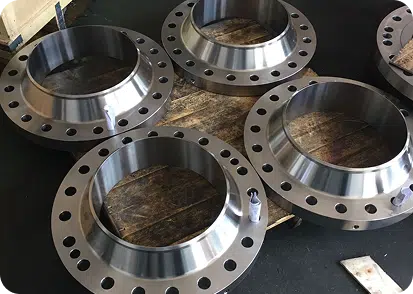
AWWA Flanges
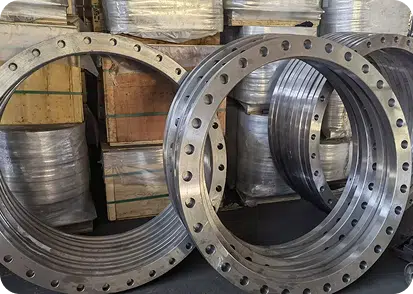
Pipe Flanges
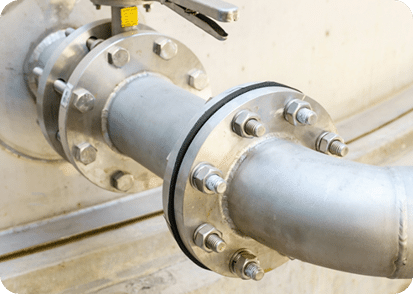
Industrial Flanges
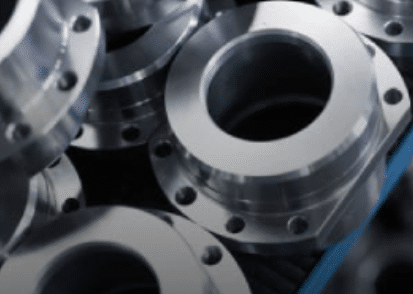
Oil & Gas Industry Flanges
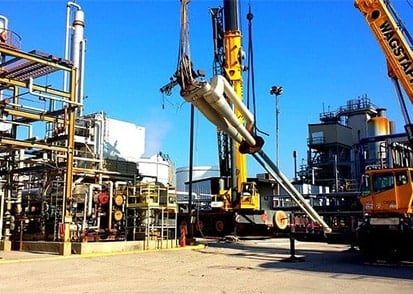
Custom Flanges
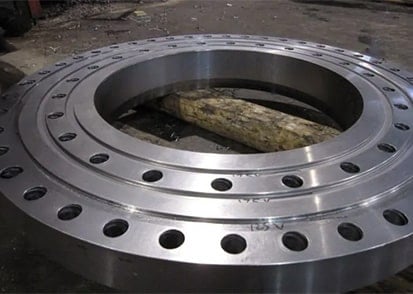
Petrochemical Flanges
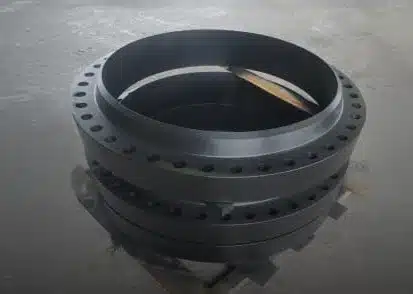
Texas Waterworks Flanges
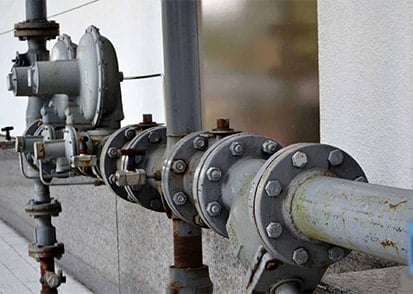
Ring Joint Flanges
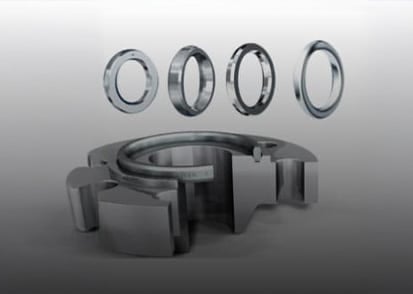
Large Industry Standard Flanges
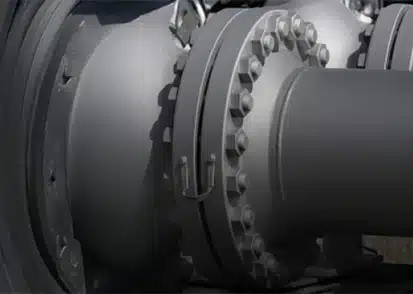
Metric System Flanges
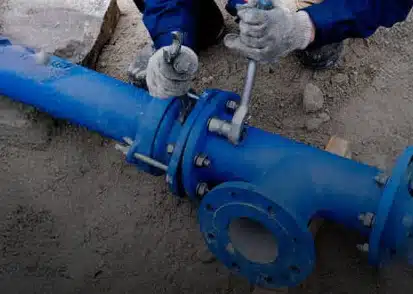
Plumbin' And Mechanical Industries Flanges
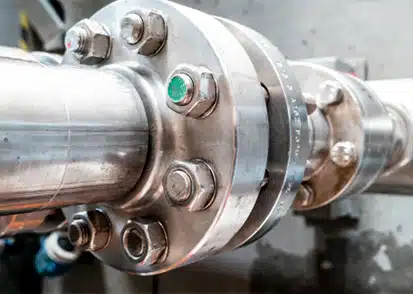
Industrial Pumps, Valves And Vessels
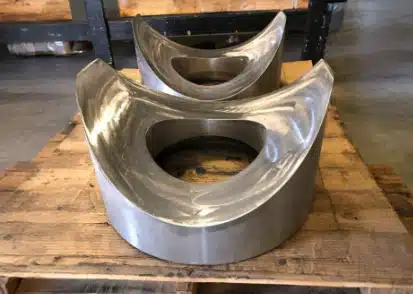
Manufacturin' Industries Flanges
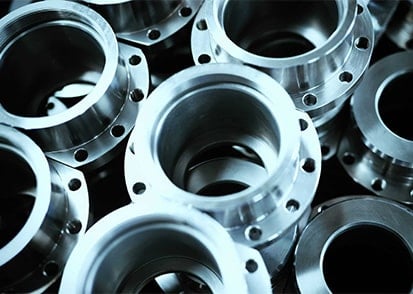
Heating Systems Industries Flanges
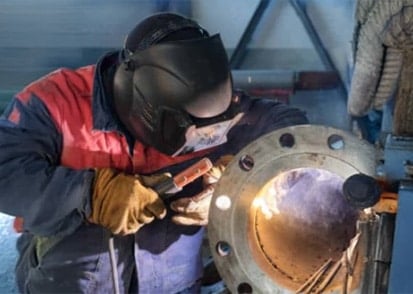
Flange Food And Beverage Industries Flanges
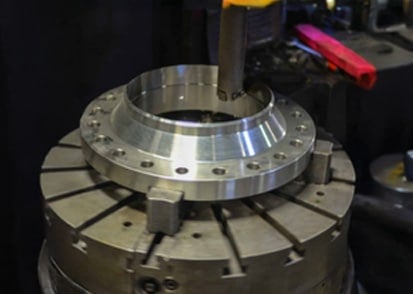
Questions Folks Ask Us (FAQs)
The difference between a lap joint flange and a slip-on flange lies in their design and functionality. A lap joint flange consists of two parts: a stub end, which is welded to the pipe, and a loose backin' flange dat can rotate freely right around it.
Now on the other hand, a slip-on flange is a single-piece component dat just slides right over the pipe and gets welded in place, givin' you a simpler and more cost-effective connection. Slip-on flanges are mostly used in low-pressure applications where you ain't gotta take things apart too often.
The difference between a swivel flange and a lap joint flange is dat a swivel flange consists of two separate components: a rotatin' ring flange and a welded hub or collar dat's attached to the pipe.
A lap joint flange also got two parts, but it uses a stub end rather than a welded hub, and its backin' flange is loose rather than fully spinnin' like a swivel flange.
Now, lap joint flanges ain't recommended for high-pressure applications 'cause the design don't give y'all the same strength or seal integrity as other flanges, like welded or slip-on flanges, when you're workin' in high-pressure environments.
In applications where you got severe vibration or a whole lot of movement (like in machinery or dynamic systems), them lap joint flanges might not give you the seal integrity or stability you need, seein' as dat loose flange can shift or loosen up under all dat intense shakin'.
Weld dat stub end (a part of the lap joint flange) nice and secure onto the pipe usin' the right weldin' method. Then just slip the loose flange right over the stub end. Dat loose flange can spin around, lettin' y'all line it up perfect with the bolt holes on the other side of the pipe or flange.
Position dat flange so it fits right over the stub end, makin' sure dem bolt holes line up perfect with the holes on the other flange.
Insert them bolts through the aligned holes of both flanges and tighten 'em up evenly usin' the specified torque, makin' sure you got a secure connection.