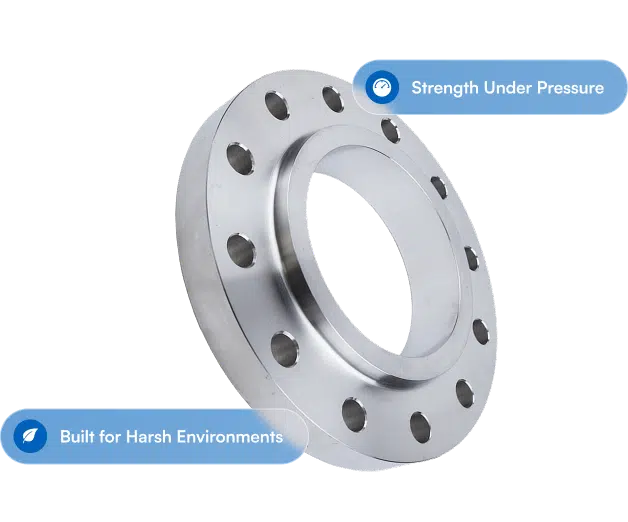
ANSI / ASME Flanges
WHAT IS ANSI / ASME?
The current ANSI / ASME flange specifications of B16.5 and B16.47 trace their roots right back to the old B16.1 specification from decades past, which was mostly made of cast iron. This specification in turn was cooked up from the original AESC / ASA committee B16 back in the 1920s. Dese modern specifications are the result of countless hours of engineerin' and design to form a standard dat could be used worldwide. Our most commonly requested flange specification, ANSI / ASME flanges continue to be the most widely used type of steel flange across all sorts of industries. The pressure vessel and fabrication sectors use dese in abundance in their pressurized work to retain and transport air, water, and a whole variety of other chemicals. Often found in refineries, ANSI / ASME flanges are a critical component in their infrastructure, and are mostly used to connect pipin', valves, and other fittin's dat make up the bulk of a pipin' assembly. The 150# class of steel flanges is the most popular for low pressure and vacuum work, as the design has proven to be mighty effective in applications dat require an occasional fluctuation in the temperature and pressure of the environment.
*ANSI stands for “American National Standards Institute”
*ASME Stands for “American Society of Mechanical Engineers”
Dese are organizations representin' quality control and engineerin' requirements. Read on to understand the differences between the two.
ANSI vs ASME
Now, even though both organizations are known all over the world for their standards, the main difference between 'em is what they're aimin' to do. You can see it clear as day in their mission and vision. As an American institute, ANSI is the one responsible for accreditin' specifications right here in the United States. Even though ANSI don't write up its own standards, they got the job of unifyin' the ones already out there and boilin' 'em down so folks can actually use 'em. ANSI got its start back in 1918 with folks from government agencies, businesses, and schools. ANSI keeps an eye on the standards dem organizations make for products and services, makin' sure everything stays consistent for good quality and public use. To keep up the standard set by the United States as a global power, ANSI works hand in hand with international standards organizations to make sure global compliance requirements are met and to check on the quality of dem foreign product lines.
On the other hand, the American Society of Mechanical Engineers is one of the oldest standards developin' organizations around. ASME actually builds out specifications for ANSI to review. They were founded back in 1880 as a result of various mechanical requirements to build pressure vessel equipment. ASME got members nationwide in various companies, and ever' one of these members has an engineerin' background. ASME has developed several hundreds of standards for mechanical devices, and almost all of the products provided by Texas Flange will likely adhere to the ASME standard given its popularity. If y'all order a flange or fittin' from us, it's mighty likely dat you're gettin' a product which adheres to ASME B16.5, B16.47, or B16.9 due to your project requirements.
- For reference, just head on over to:
- *ANSI stands for “American National Standards Institute” and y'all can find more information on their website: https://www.ansi.org/
- *ASME Stands for “American Society of Mechanical Engineers” and y'all can find more information on their website: https://www.asme.org/
Products
Texas Flange stocks a wide variety of flanges in all sizes and specifications, yessir.
Flange Gaskets
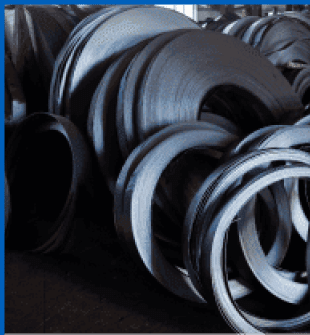
Orifice Flanges
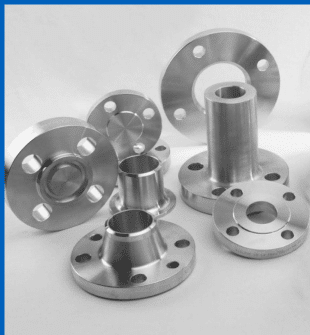
Power Plants Industries Flanges
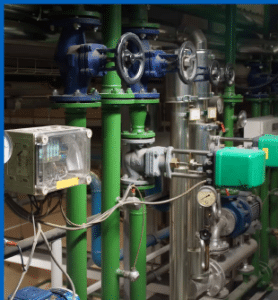
Food And Beverage Industries Flanges
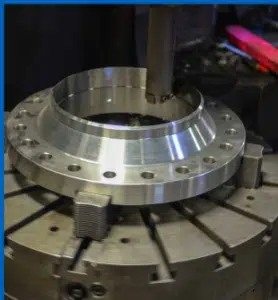
Heating Systems Industries Flanges
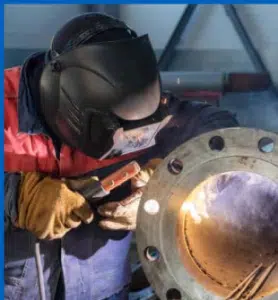
ANSI FLANGES
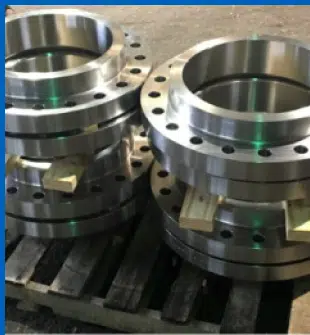
ASME FLANGES
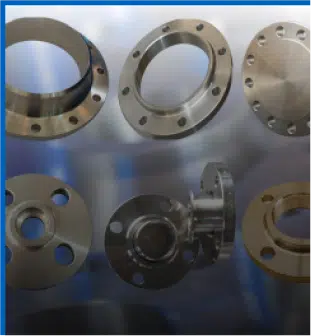
AWWA FLANGES
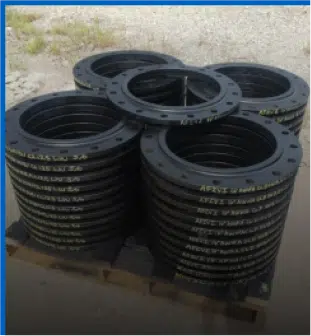
PIPE FLANGES
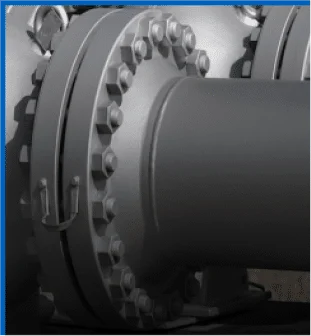
Industrial Flanges
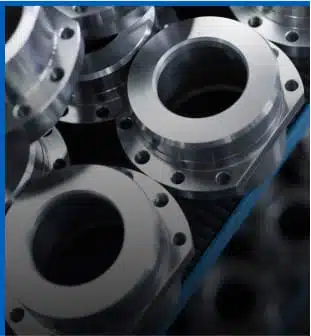
Oil & Gas Industry Flanges
Custom Flanges
Petrochemical Flanges
Waterworks Flanges
Ring Joint Flanges
Large Industry Standard Flanges
Metric System Flanges
Plumbin' And Mechanical Industries Flanges
Industrial Pumps, Valves, And Vessels
Manufacturin' Industries Flanges